
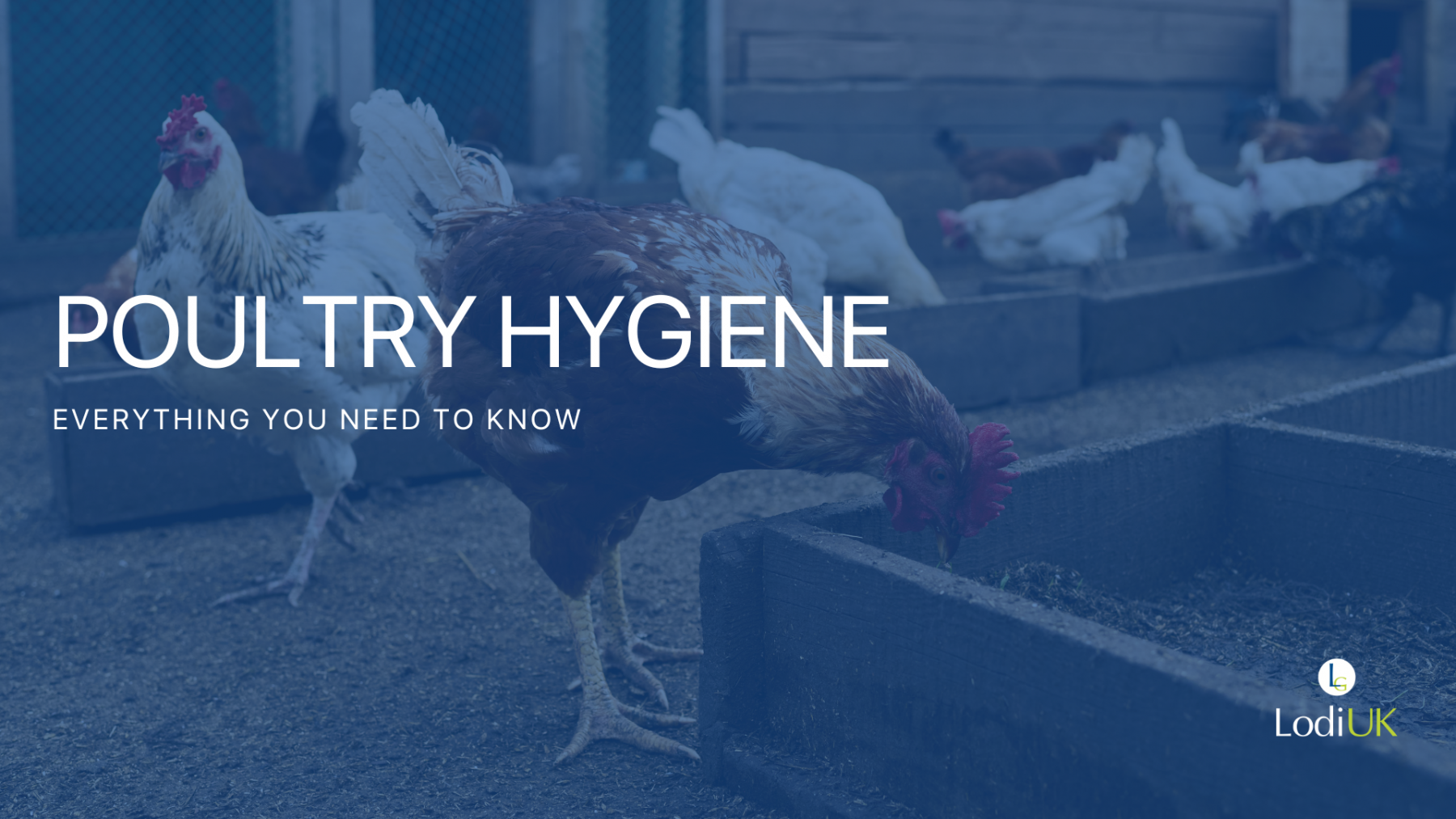
Poultry hygiene has never been more important for UK farmers. With increasingly unpredictable weather patterns, ongoing avian influenza pressures and tighter expectations around bird welfare and biosecurity, keeping housing clean and birds resilient is no longer a box-ticking exercise. It is a core part of protecting productivity, profitability and peace of mind.
Good poultry hygiene is about far more than cleaning out sheds. It is a year-round strategy that considers the environment, disease pressure, parasite control and, crucially, the strength of the birds themselves. By combining strong hygiene routines with targeted support products, farmers can reduce stress on birds and limit the impact of seasonal challenges.
This guide explores how weather changes affect poultry hygiene, when avian influenza risk is at its highest, and how best practice routines using Lodi UK products can support healthier, more resilient flocks.
How changing weather is reshaping poultry hygiene
The UK’s weather is becoming less predictable. Wetter winters, milder autumns and sudden temperature swings are now the norm, and all of these factors directly influence poultry hygiene.
Increased rainfall and humidity create ideal conditions for bacteria, fungi and parasites to thrive. Damp litter breaks down faster, ammonia levels rise and respiratory stress becomes more likely. Wet ground around housing also increases the risk of pathogens being tracked indoors via boots, equipment and vehicles.
Milder winters may feel like a relief, but they allow pests such as red mite to survive for longer. Instead of dying back during cold snaps, populations can persist through winter and explode in spring if left unchecked. Warmer temperatures also place extra stress on birds, particularly during sudden heat spikes, weakening their immune response and leaving them more vulnerable to infection.
Conversely, colder spells still present challenges. Birds use more energy to stay warm, which can divert resources away from immunity. Poor ventilation combined with cold, wet conditions can quickly lead to condensation and damp bedding, undermining even the best cleaning routines.
Modern poultry hygiene must therefore be flexible, proactive and responsive to the weather, rather than relying on rigid seasonal assumptions.
Avian influenza: when risk is highest and why hygiene matters
Avian influenza remains a major concern for UK poultry farmers. While cases can occur at any time, risk is typically highest during the autumn and winter months when migratory wild birds arrive and colder, wetter conditions allow viruses to persist in the environment for longer.
Water, mud and contaminated surfaces play a significant role in spreading the virus. This is why hygiene and biosecurity are consistently highlighted in official guidance during avian influenza prevention zones. Even when birds appear healthy, contaminated housing, footwear or equipment can introduce disease into a flock.
Periods of housing orders also place extra pressure on internal hygiene. Birds kept indoors for longer generate more moisture, more waste and higher stocking pressures. Without careful litter management and parasite control, stress levels rise and natural immunity can suffer.
While hygiene alone cannot eliminate avian influenza risk, it significantly reduces the chances of disease entering or spreading within a unit. Strong internal hygiene combined with immune support helps birds cope better with environmental and disease pressures during high-risk periods.
Building resilience starts with the immune system
One of the most overlooked aspects of poultry hygiene is the health of the bird itself. Clean housing is essential, but birds with weakened immune systems will always struggle more, even in well-managed environments.
Supporting immunity should be a fundemental part of any poultry hygiene plan. Stress from weather changes, housing orders, production demands and parasite pressure can all suppress immune response, leaving birds less able to fight off infections.
This is where Defender Recharge and Defender Tonic play a key role. These products are designed to support birds during periods of stress, helping to maintain condition and resilience when it matters most. They are particularly valuable during transitions such as changes in weather, after cleaning routines, during housing periods or when disease pressure is known to be higher.
By strengthening birds from the inside out, farmers create a stronger starting point for all other hygiene measures. Healthy birds cope better with environmental challenges, recover faster from stress and are less likely to succumb to secondary infections.
Red mite control as part of hygiene, not a reaction
Red mites remain one of the most damaging and persistent poultry pests in the UK. These parasites hide in cracks, bedding and housing structures, emerging at night to feed on birds. Infestations can cause irritation, anaemia, reduced egg production and increased stress, all of which undermine hygiene and welfare.
Effective red mite control should be viewed as a core hygiene practice, not something only addressed once a problem becomes visible. Warmer temperatures and higher humidity accelerate red mite life cycles, making proactive control even more important as weather patterns change.
The Organ-X Red Mite range consisting of spray, powder and smoke offer a three in one solution. By incorporating red mite management into routine hygiene practices, farmers can reduce parasite pressure before it reaches damaging levels, supporting both bird welfare and productivity.
Use in conjunction with Organ-X Desi-Dust, the ultimate moisture removal and entrapment powder designed for use in poultry housing, bedding and coops, for the natural promotion of a healthy environment. Applying Desi Dust as part of regular cleaning and bedding routines supports ongoing control rather than short-term knockdown.
Best practice poultry hygiene routines for modern farms
Effective poultry hygiene relies on consistency rather than occasional deep cleans. Regular routines adapted to seasonal and weather conditions deliver the best results.
Housing should be kept as dry as possible, with litter monitored closely and replaced when dampness increases. Ventilation must strike a balance between removing moisture and maintaining comfortable temperatures, particularly during colder months.
Footbaths, clean protective clothing and controlled access remain essential, especially during periods of heightened avian influenza risk. These simple measures reduce the likelihood of pathogens being carried into housing from contaminated outside areas.
Internal hygiene routines should always consider parasite control. Treating bedding and housing with products such as Organ-X Desi-Dust helps maintain a cleaner environment and reduces stress on birds caused by biting pests.
Alongside environmental hygiene, immune support using Defender Recharge and Defender Tonic should be timed strategically. Supporting birds during known stress periods helps maintain overall flock health and resilience.
A proactive approach to poultry hygiene
Poultry hygiene is no longer just about reacting to problems. Weather volatility, disease pressure and evolving welfare expectations mean that proactive planning is essential.
By understanding how environmental changes influence hygiene, recognising when disease risk is highest and supporting birds through targeted immune and parasite management, farmers can stay one step ahead.
Lodi UK’s poultry hygiene solutions are designed to work together as part of a complete approach. From building immunity with Defender Recharge and Defender Tonic to managing red mite pressure with the Organ-X product range, these tools help farmers protect their flocks in a changing agricultural landscape.
To explore these products in more detail and see how they fit into your poultry hygiene routine, visit the Lodi UK website and take the next step towards stronger, healthier birds.