

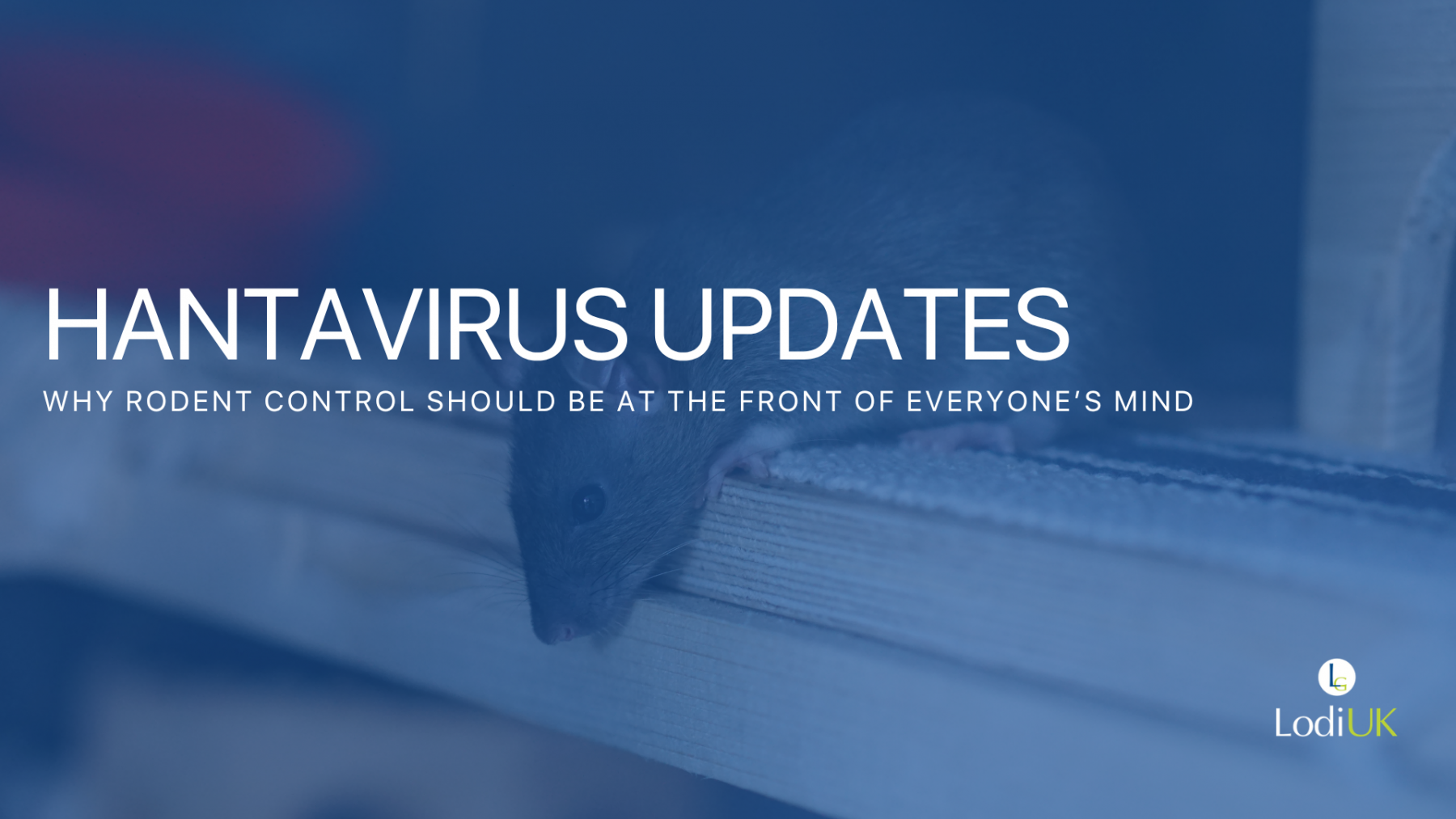
Rodents have once again made national headlines after reports linked a recent illness outbreak on a cruise ship to possible exposure to Hantavirus. While investigations are still ongoing, the story has reignited conversations around the health risks rodents can pose to humans, businesses and public environments.
For many people, rats and mice are still seen as little more than nuisance pests. However, the reality is far more serious. Rodents are known carriers of a range of diseases and bacteria that can affect both humans and animals, particularly when infestations are left unmanaged. For farms, food businesses, commercial environments and homeowners alike, the recent headlines are another reminder that rodent control should never be treated as an afterthought.
At Lodi UK, we know rodent management is about far more than protecting buildings from gnaw damage. It is about protecting hygiene standards, safeguarding businesses and reducing health risks before infestations spiral into something much bigger.
What Is Hantavirus?
Hantavirus refers to a group of viruses primarily spread by rodents through their urine, droppings and saliva. Humans can become exposed when contaminated particles become airborne and are inhaled, often during cleaning or when disturbing infested areas.
Although cases remain relatively rare in the UK compared to some other parts of the world, hantavirus has gained significant attention due to its potentially serious consequences and links to rodent infestations. Symptoms can initially resemble flu-like illnesses, including fever, fatigue, headaches and muscle aches, while more severe cases can lead to respiratory complications or kidney-related illness.
The recent cruise ship reports have brought fresh public attention to the wider dangers rodents can pose, particularly in enclosed environments where infestations may go unnoticed until populations become well established.
Rodents Carry More Than Just Hantavirus
While hantavirus may currently be dominating headlines, online searches and news feeds, it is far from the only disease associated with rodents. Rats and mice are known carriers of several harmful pathogens that can impact humans, livestock and food production environments.
Diseases such as salmonella, E. coli and leptospirosis remain major concerns, particularly in agricultural and commercial settings where hygiene standards are critical. Rodents contaminate feed, food storage areas and surfaces through droppings, urine and constant movement around buildings. For farms and poultry units especially, infestations can quickly become a serious biosecurity issue. Rodents not only spread disease but can also create stress among livestock and poultry, potentially affecting welfare and overall productivity.
This is why professional rodent management remains such an important part of modern farm hygiene and pest control strategies.
Why Rodent Activity Continues to Rise
Rodents are highly adaptable and opportunistic pests. If they have access to food, water and shelter, they will settle quickly and reproduce rapidly.
One of the biggest challenges with rats and mice is how quickly populations can grow when left unchecked. What may begin as a small issue can develop into a major infestation within just a few months. Rodent pressures often increase around harvest periods, colder weather and areas where feed or waste is easily accessible. However, milder winters and changing weather patterns are also contributing to increased year-round rodent activity across both urban and rural environments.
This means rodent control can no longer simply be treated as a seasonal concern. For many businesses and properties, it has become a constant requirement.
Why Prevention Matters More Than Ever
One of the most common mistakes people make with rodent control is waiting until they physically see rats or mice before taking action. Unfortunately, by the time rodents are visible during daylight hours, infestations are often already well established.
Early warning signs can include droppings, scratching noises in walls or ceilings, gnaw marks, grease smears along surfaces and damage to feed bags or stored products. Strong ammonia-like smells may also indicate rodent activity in enclosed spaces. The key to effective rodent management is prevention rather than reaction.
At Lodi UK, we always encourage an integrated pest management approach that combines good hygiene, proofing, monitoring and professional rodent control solutions. Simply placing bait alone is rarely enough if rodents still have easy access to food sources and entry points.
The Importance of Rodent Proofing
Proofing is one of the most overlooked but essential parts of long-term rodent control. Rats can squeeze through gaps as small as 15mm, while mice can fit through openings as little as 6mm wide. Tiny cracks around doors, broken vents or poorly sealed pipework can all provide easy access into buildings.
Keeping vegetation cut back, sealing gaps, securing feed storage areas and maintaining tidy surroundings can all help reduce the likelihood of infestations developing in the first place.
Good proofing not only reduces rodent pressures but can also lower long-term treatment costs while improving hygiene standards around homes, farms and commercial premises.
Professional Rodent Control Still Plays a Vital Role
Alongside prevention and proofing, professional rodent control products remain an important tool when dealing with infestations.
At Lodi UK, our rodent control range is designed to support a wide range of environments and infestation pressures, helping users tackle rodents effectively while supporting responsible pest management practices. This includes professional rodenticides, monitoring solutions and proofing products that work together as part of a wider integrated pest management programme.
Products such as Harmonix Rodent Paste have also become increasingly popular following changing legislation around second-generation anticoagulant rodenticides, offering professional users another option for managing infestations responsibly.
Rodenticide Legislation Has Changed Too
The renewed focus on rodent risks also comes at a time when professional rodenticide legislation has changed significantly across the UK.
Since January 2026, anyone purchasing professional-use rodenticides must now hold approved proof of competence certification. These changes were introduced to support safer and more responsible rodenticide use while helping users better understand integrated pest management and resistance control.
For farms and businesses handling rodent control internally, staying compliant while maintaining effective pest management is now more important than ever.
Why This Matters for Homes and Businesses
While farms and food production environments often face the greatest rodent pressures, homeowners should not ignore the risks either.
Rats and mice are increasingly being found in lofts, garages, kitchens, wall voids and garden buildings, particularly in areas where food waste or shelter is easily available. As public awareness grows following stories linked to hantavirus outbreaks and rodent-borne diseases, more people are searching online for information around rodent infestations, disease risks and professional pest control solutions.
This is why education around rodent prevention and pest management remains so important.
Rodent Control Should Never Be an Afterthought
The recent hantavirus headlines may have pushed rodents back into the public spotlight, but the risks associated with rats and mice have always existed.
Rodents are not simply unpleasant pests. They can spread disease, damage infrastructure, contaminate food and create major hygiene concerns if infestations are left unmanaged. Whether protecting a grain store, livestock building, warehouse, commercial premises or family home, proactive rodent management has never been more important. The good news is that with the right combination of proofing, monitoring, hygiene and professional pest control solutions, infestations can often be prevented before they escalate into a much larger problem.
At Lodi UK, we continue to support farms, businesses and homeowners with practical rodent control solutions designed to help manage infestations responsibly while keeping hygiene and biosecurity standards high.